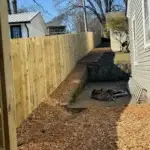
A wood fence is a significant investment, and one of the most common questions homeowners in Cleveland, TN ask before committing to one is: how long will it actually last? The answer depends on several variables — the wood species, the installation quality, the climate exposure, and how consistently the fence is maintained. Get those factors right, and a wood fence in Tennessee can serve a property well for 20 years or more. Get them wrong, and the same fence may start showing serious deterioration within five.
Tennessee’s climate adds a specific layer of complexity. The combination of hot, humid summers, heavy seasonal rainfall, occasional ice storms, and the region’s clay-heavy soils puts wood fencing under more stress than in drier or more temperate parts of the country. Understanding what drives fence lifespan here helps homeowners make smarter decisions upfront — and avoid expensive early replacements down the road.
Average Lifespan by Wood Type
The species of wood used in a fence has the single largest impact on how long it will last before showing rot, structural failure, or significant surface deterioration.
Pressure-treated pine is the most widely used wood for residential fencing in East Tennessee and for good reason. The treatment process forces preservatives deep into the wood fibers, giving it significant resistance to rot, fungal decay, and insect damage. A properly installed and maintained pressure-treated pine fence in Tennessee typically lasts between 15 and 20 years, and often longer when posts are set correctly and the fence receives regular sealing.
Cedar is naturally resistant to rot and insects without requiring chemical treatment, thanks to the oils present in the wood. It costs more than pressure-treated pine at installation, but it handles Tennessee’s humidity well and can last 15 to 20 years with moderate maintenance. Left unsealed, cedar ages to a silver-gray that many homeowners find attractive; sealed regularly, it retains its warm amber tone significantly longer.
Redwood offers the best natural durability of the common fence wood options — lifespan estimates of 20 to 25 years are reasonable with proper care. It is the most expensive option and less readily available in the Cleveland, TN area, but it performs exceptionally well in humid climates and requires less frequent maintenance than pine.
Untreated pine or standard lumber not rated for ground contact will begin showing rot and deterioration within three to five years in Tennessee’s climate. This is one of the most common causes of premature fence failure — using the wrong grade of wood at installation to save money upfront, only to face total replacement years earlier than necessary.
The Factors That Shorten a Wood Fence’s Lifespan
Post Failure
The most common reason a wood fence fails before its time is not the boards — it is the posts. Wood posts set directly in the ground are in constant contact with soil moisture, which accelerates rot at the base regardless of how well the boards above are maintained. Tennessee’s clay soils compound this problem because clay retains moisture and stays wet for extended periods after rain.
A post that rots at ground level cannot be repaired by replacing boards. It requires digging out the old post, removing the concrete footing if one was used, and resetting the post entirely — a significant labor cost per post. When multiple posts fail, the repair cost can approach the price of full replacement.
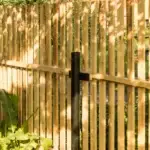
Steel or aluminum posts eliminate this failure point entirely by removing wood from the ground contact zone. When wood posts are used, the grade of lumber matters enormously — post-rated pressure-treated lumber designated for ground contact (typically marked .40 or .60 retention level) lasts significantly longer than standard deck or framing lumber used in the same application.
Lack of Sealing and Staining
A wood fence that is never sealed or stained is exposed to direct UV radiation, rain, and humidity with no protective layer between the weather and the wood fibers. UV breaks down the surface of the wood, causing graying and cracking. Repeated wet-dry cycles from Tennessee’s rainfall patterns cause wood to expand and contract, which opens cracks where moisture penetrates and where rot begins.
Applying a penetrating stain or water-repellent sealant every one to two years is the single most cost-effective maintenance step a homeowner can take. It does not need to be a complex process — a thorough cleaning followed by a roller or brush application of a quality exterior wood stain adds years to the fence’s life and keeps the surface looking sharp in the process.
Vegetation Contact
Plants, shrubs, and vines growing against or through a wood fence are one of the most underappreciated causes of premature deterioration. Vegetation traps moisture against the wood surface, blocks airflow that would otherwise allow the fence to dry after rain, and in the case of vines, physically penetrates fence boards over time as roots grow into cracks and gaps.
Keeping a clear zone of several inches between fence boards and any nearby planting — and trimming vegetation back consistently — makes a meaningful difference in how long the fence surface holds up between maintenance cycles.
Tennessee’s Freeze-Thaw Cycles
While Tennessee winters are milder than those in the upper Midwest or Northeast, Cleveland, TN does experience freeze-thaw cycles that stress wood fencing. Water that has penetrated surface cracks or unsealed end grain expands when it freezes, widening the crack further. Repeated cycles degrade surface integrity faster than simple seasonal moisture would alone.
This is another reason consistent sealing matters — a properly sealed fence has fewer surface entry points for water, which reduces the damage that freeze-thaw cycles can cause over a Tennessee winter.
Poor Installation
A fence installed with incorrect post spacing, insufficient concrete footings, or boards set too close to the ground will begin failing earlier regardless of the wood quality used. Boards that make contact with the soil wick moisture directly into the end grain — the most vulnerable point on any cut piece of lumber. Posts set without adequate depth or concrete support shift and lean over time, putting stress on the rails and boards attached to them.
Installation quality is not visible once the fence is finished, which is why choosing an experienced fence contractor matters as much as the material selection itself.
Signs a Wood Fence Is Approaching the End of Its Lifespan
Knowing when repair makes sense versus when replacement is the more cost-effective choice helps homeowners avoid investing in a failing fence. Signs that a wood fence is nearing the end of its useful life include:
- Widespread soft or spongy boards — rot that has progressed through multiple boards across multiple fence sections is no longer a localized repair
- Posts that lean, rock, or feel unstable — post failure is structural and cannot be addressed by board replacement alone
- Boards that are cracked, split, or missing in multiple locations — scattered failures that require more than a few boards at a time signal systemic deterioration
- Gray, deeply weathered surfaces with visible checking — heavy surface checking (small surface cracks running along the grain) means moisture has been penetrating consistently and the wood has lost most of its structural integrity near the surface
A single soft board or one leaning post is a repair. Multiple failing posts and widespread rot across sections is a replacement conversation.
How to Get the Most Years Out of a Wood Fence in Tennessee
A few consistent practices extend the life of a wood fence in Cleveland, TN’s climate significantly:
- Seal or stain within the first year of installation and reapply every one to two years — new pressure-treated lumber needs time to dry before it will accept a finish, typically 60 to 90 days after installation
- Inspect post bases annually for any softness, discoloration, or movement that signals early rot
- Clear vegetation from the fence line consistently, especially during Tennessee’s fast-growing summer months
- Address minor repairs immediately — a single soft board replaced promptly prevents moisture from spreading to adjacent boards and rails
- Keep the fence base clear of soil contact — if soil has built up against the lower boards over time, pulling it back several inches restores the air gap that slows moisture wicking at the base
Professional Fence Installation and Repair in Cleveland, TN
At Perez Tree Services, we install and repair wood fences throughout Cleveland, TN and the surrounding areas using the right materials and installation methods for Tennessee’s climate. Whether you are building a new fence and want it done right from the start, or you have an aging fence that needs repair or replacement, our team is ready to help.
Ready to talk about your fence? Contact Perez Tree Services today to schedule an estimate in Cleveland, TN. Call us at (423) 310-3969 or email info@pereztreeservicestn.net.